
How Long Can Stress Affect Your Cycle After a Difficult Event?

TL;DR: Stress and Your Cycle
Stress can affect your cycle longer than the stressful event itself.
Emotional or physical stress may delay ovulation, lengthen cycles, or cause temporary irregularity. For many people, cycle changes resolve within one to two cycles once the body feels safe again.
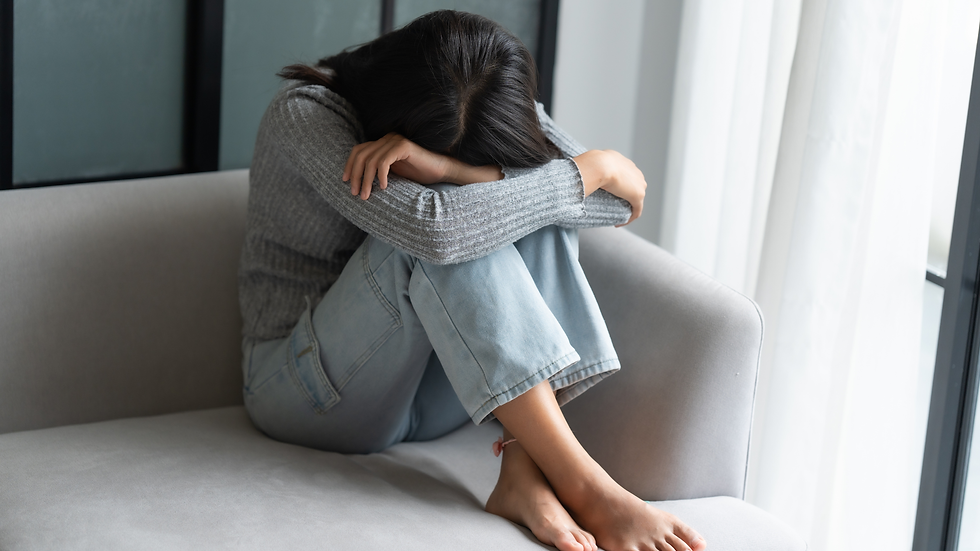
Why Stress Affects the Menstrual Cycle
Stress is processed through the nervous system.
When the body senses threat, it prioritizes survival functions. Reproduction becomes secondary.
This is not a flaw. It’s protection.
Ovulation depends on clear communication between the brain and ovaries. Stress can interrupt that communication.
What Counts as “Stress” to the Body?
Stress isn’t only emotional.
It can include:
Grief or loss
Relationship challenges
Work pressure or burnout
Illness or injury
Travel or routine disruption
Sleep deprivation
Overexercising or under-eating
Your body responds to cumulative load, not just one moment.
How Long Can Stress Affect Your Cycle
Stress may cause:
Delayed ovulation
Longer cycles
Missed ovulation in some cycles
Late or irregular periods
Increased PMS symptoms
These changes are often temporary.
They reflect adaptation, not failure.

How Long Can Stress Affect Ovulation?
For many people:
One cycle
Sometimes two
Ovulation often resumes once:
Sleep improves
Emotional stress eases
Energy levels return
The nervous system feels regulated
However, ongoing or repeated stress can extend disruption.
Why Cycles Don’t Always “Bounce Back” Immediately
The body doesn’t reset overnight.
Even after a stressful event ends, your nervous system may still be on high alert.
Ovulation tends to return when the body senses:
Predictability
Safety
Adequate recovery
This takes time.
Supporting Cycle Regulation After Stress
Support works better than control.
Helpful approaches include:
Gentle routines
Consistent sleep and meals
Reducing pressure around timing
Lowering intensity in workouts
Emotional validation and rest
Trying to rush regulation often keeps stress active.

💛 Your Body Isn’t Late. It’s Recovering.
Stress doesn’t end the moment an event passes. Your nervous system needs time to settle, recalibrate, and feel safe again.
Cycle changes after stress aren’t a sign that something is wrong. They’re a sign that your body is adapting.
If you’re noticing ongoing shifts in your cycle or want support understanding what your body is asking for during recovery,
You don’t need to rush regulation. With the right support, your body can find its rhythm again.


Comments